
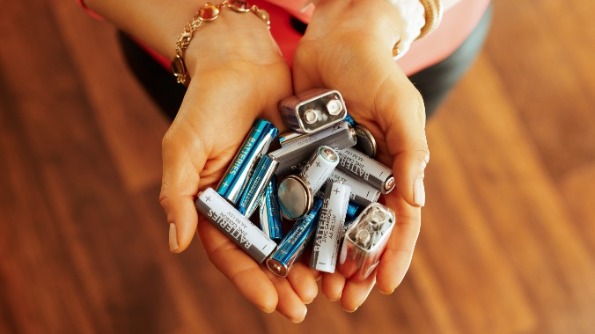
The Importance of Proper Battery Disposal and Environmental Responsibility
Introduction to Battery Waste
Batteries are an integral part of modern life, powering everything from mobile phones and laptops to electric vehicles and household appliances. While their convenience is undeniable, batteries also pose a significant environmental challenge when they reach the end of their life. Without responsible handling, discarded batteries can release harmful chemicals and metals into the environment, leading to pollution and potential health hazards.
Types of Common Batteries
There are various types of batteries, each with its own chemical makeup and potential risks if disposed of improperly.
- Alkaline Batteries: Widely used in household devices such as remote controls and clocks.
- Lithium-Ion Batteries: Found in smartphones, laptops, and electric vehicles, known for their high energy density.
- Nickel-Cadmium (NiCd) Batteries: Often used in power tools and older rechargeable devices.
- Lead-Acid Batteries: Common in cars, backup power systems, and certain industrial equipment.
Environmental Risks of Improper Battery Disposal
When batteries are thrown into general waste, they often end up in landfills where their outer casings can break down over time. This allows chemicals like lead, mercury, and cadmium to seep into the soil and contaminate groundwater. Such contamination can affect ecosystems, wildlife, and even human drinking water …